Lab Grown Diamonds vs Natural: What You Need to Know Before Your Next Sparkle

Ever found yourself staring at a diamond in a jewelry store, thinking, “Wait… is this really worth it?” You’re not alone. With the rise of lab grown diamonds, the classic debate between lab created brilliance and natural stones has never been hotter. So, let’s dig in and see what’s really going on.
The Story Behind the Sparkle
Think about it: when was the last time a piece of jewelry truly told a story? Natural diamonds have this long, romantic history—they’re formed over billions of years, deep in the Earth’s crust, carried to the surface through volcanic eruptions, and eventually cut and polished for us to admire. There’s something poetic about that, right?
But here’s the kicker—lab grown diamonds are rewriting that narrative. Instead of waiting eons, these beauties are created in a lab in just a few weeks. Same sparkle, same hardness, same “wow factor.” Honestly, it’s a little mind-blowing. And for some, knowing exactly how and where your diamond was made? That’s a story in itself.
Now, you might be wondering, “Are lab grown diamonds really as good as natural ones?” The short answer: yes. The long answer: well, it depends on what matters most to you—history, price, ethics, or simply that blinding sparkle.
Options, Trends, and Advice
Here’s where things get interesting. When deciding between lab grown diamonds vs natural, it helps to look at the options:
- Price Tag Shock – Lab diamonds can cost up to 30–40% less than natural stones of the same size and quality. If budget is a concern, lab created diamonds are like a smart shopping hack. More carat for less cash. Simple as that.
- Ethical Edge – Mining natural diamonds can have environmental and human rights concerns. Lab grown diamonds? Practically guilt-free. No deep-earth excavation, no conflicts. Just clean, sparkling science.
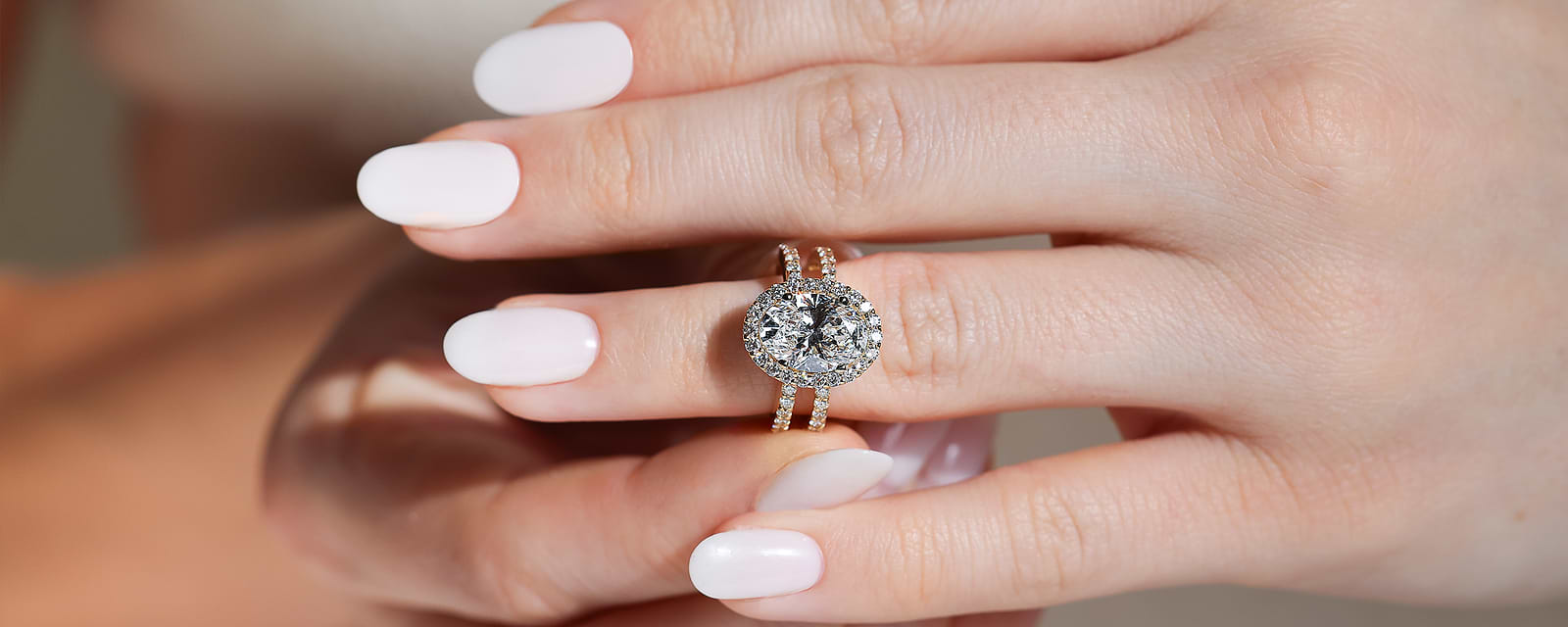
- Quality and Appearance – Here’s a fun fact: visually, you probably won’t notice the difference. Lab diamonds are chemically, physically, and optically identical to natural ones. Even jewelers can struggle to tell them apart without specialized equipment.
- Customization and Trends – Lab grown diamonds open doors for creative designs. Want a rare colored diamond without paying a fortune? Lab diamonds can offer fancy yellows, blues, and pinks at accessible prices. Plus, with custom engagement rings gaining popularity, lab diamonds are leading the trend.
- Resale Reality Check – This is where natural diamonds sometimes have the upper hand. They often hold value better in the long term. Lab grown diamonds? Not as much resale value… but let’s be honest, who buys a diamond thinking about resale, right?
To sum it up, if you love flexibility, ethics, and a friendly price tag, lab grown diamonds are a solid choice. But if heritage, rarity, or resale matters, natural diamonds might win your heart.
Why the Local Angle Matters
If you’re shopping in, say, New York, London, or Hong Kong, you might notice something curious. Jewelers in these cities are stocking more lab grown diamonds than ever. Why? Local demand is shifting. People care about ethics, sustainability, and personalization.
Take Hong Kong, for instance. There’s this growing trend where couples want unique engagement rings that reflect their story—not just a stone mined decades ago. Lab grown diamonds fit perfectly into this modern narrative. They’re customizable, ethical, and make you feel like a savvy shopper without compromising on elegance.
Even the display window tells a story: you’ll see the same size and clarity, but lab diamonds often come with certificates detailing their creation, adding a scientific flair that feels surprisingly luxurious.
How Lab Grown Diamonds Are Made (Without Getting Too Technical)
Curious about the “magic”? Don’t worry, it’s not wizardry—it’s science. Here’s a casual breakdown:
- Choose Your Method – There are two main techniques: High Pressure High Temperature (HPHT) or Chemical Vapor Deposition (CVD). Think of it as baking a cake vs. roasting a perfect loaf of bread. Both get you a diamond; the method affects the process more than the final sparkle.
- Seed the Diamond – Just like planting a tiny seed, a small diamond piece acts as the foundation. Over time, carbon atoms attach layer by layer.
- Grow and Shape – In HPHT, extreme heat and pressure mimic the Earth’s natural conditions. In CVD, a gas mixture breaks down and deposits carbon onto the seed. Either way, the diamond grows. Fast. Weeks instead of billions of years.
- Cut and Polish – Finally, it’s all about finesse. The rough diamond is cut into the desired shape and polished to perfection. And voilà, a lab grown diamond ready to dazzle.
It’s fascinating, really. You’re holding something human-made yet timeless in its brilliance. There’s a certain pride in knowing the story from start to finish.
The Final Sparkle
So, what’s the takeaway from this shiny debate of lab grown diamonds vs natural? Honestly, it’s about perspective. Natural diamonds carry ancient stories and tradition. Lab grown diamonds bring modern ethics, affordability, and customization into the spotlight.
At the end of the day, whether you’re buying an engagement ring, earrings, or a little treat-yourself piece, the best diamond is the one that makes your heart skip a beat. And you might be surprised—sometimes, the lab grown route delivers that “wow” factor with fewer compromises.