Tense Chart Explained: A Simple Guide to English Tenses
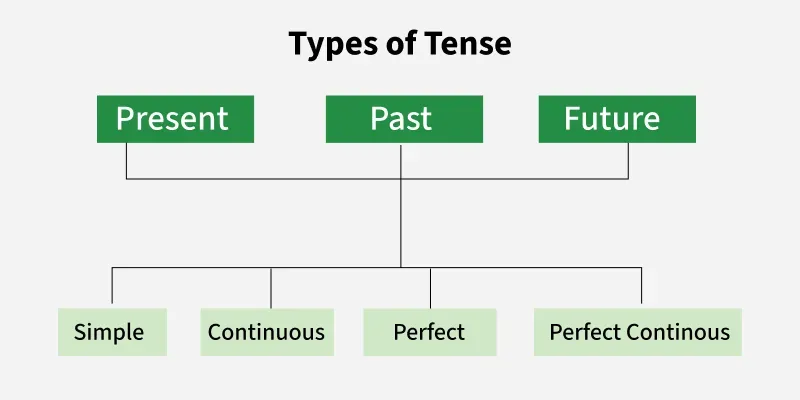
Understanding tenses is one of the most crucial elements of getting to know English grammar. The idea of a anxious chart helps beginners quick visualize the one-of-a-kind verb bureaucracy used to specific time inside the English language. Whether you are a scholar, instructor, or absolutely a person looking to enhance your English capabilities, this article will walk you thru what a nerve-racking chart is and the way to use it correctly.
What is a Tense Chart?
A nerve-racking chart is a established illustration of all of the verb tenses used in English. It suggests how verbs exchange in line with time — beyond, present, or future — and thing — easy, non-stop, perfect, and perfect non-stop. The demanding chart enables in know-how sentence creation and deciding on the right verb paperwork whilst writing or speaking.
The Three Main Time Frames
Every sentence in English is associated with time, and these time frames are divided into three important categories:
- Present Tense – actions occurring now or often
- Past Tense – actions that have already took place
- Future Tense – movements with a view to take place later
Each of these time frames is similarly divided into 4 elements: simple, continuous, best, and perfect continuous. Let’s ruin each of them down.
Present Tense Forms
1. Simple Present
- Structure: Subject + base verb (upload -s or -es for 1/3 person)
- Example: She writes every day.
2. Present Continuous
- Structure: Subject + is/am/are + verb-ing
- Example: They are analyzing for exams.
3. Present Perfect
- Structure: Subject + has/have + past participle
- Example: I actually have finished my work.
4. Present Perfect Continuous
- Structure: Subject + has/were + verb-ing
- Example: He has been analyzing for two hours.
Past Tense Forms
1. Simple Past
- Structure: Subject + beyond form of the verb
- Example: We played football the day gone by.
2. Past Continuous
- Structure: Subject + changed into/had been + verb-ing
- Example: She became cooking dinner after I arrived.
3. Past Perfect
- Structure: Subject + had + beyond participle
- Example: They had left earlier than the show started out.
4. Past Perfect Continuous
- Structure: Subject + had been + verb-ing
- Example: He have been working there for five years.
Future Tense Forms
1. Simple Future
Structure: Subject + will + base verb
Example: I will call you later.
2. Future Continuous
- Structure: Subject + can be + verb-ing
- Example: She might be touring subsequent week.
3. Future Perfect
- Structure: Subject + can have + past participle
- Example: By five PM, we can have completed the challenge.
4. Future Perfect Continuous
- Structure: Subject + will were + verb-ing
- Example: They will have been living here for a decade.
Why Use a Tense Chart?
A aggravating chart gives a brief overview of the way to assemble verbs for special times and conditions. It enables with:
- Sentence formation
- Avoiding grammar mistakes
- Improving writing and speaking fluency
- Understanding verb patterns
Whether you’re making ready for an examination or gaining knowledge of English for communication, keeping a irritating chart accessible may be a useful reference device.
Tips to Master English Tenses
- Practice day by day – Use unique tenses to your writing or speaking.
- Read English content – Observe how tenses are utilized in books, articles, or dialogues.
- Create your own anxious chart – Make personalized examples for each anxious.
- Use apps and grammar gear – Many online assets offer interactive exercise.
- Speak with local audio system – This builds Tense Chart your herbal knowledge of tenses in actual conversations.
Final Thoughts
Understanding the worrying chart is fundamental to getting to know English grammar. It simplifies a complex topic by using organizing tenses in a clear and established manner. With everyday exercise and exposure, you becomes extra assured in using the right irritating in every scenario. Keep a worrying chart close to you at the same time as writing, and through the years, you will begin the usage of Tense Chart tenses correctly without even thinking about them.
If you are extreme approximately enhancing your English, begin today through reviewing the nerve-racking chart and practicing every hectic with examples from your very own life.